

Heritage Homes in Nova Scotia: Buying, Restoring & Living in Historic Properties

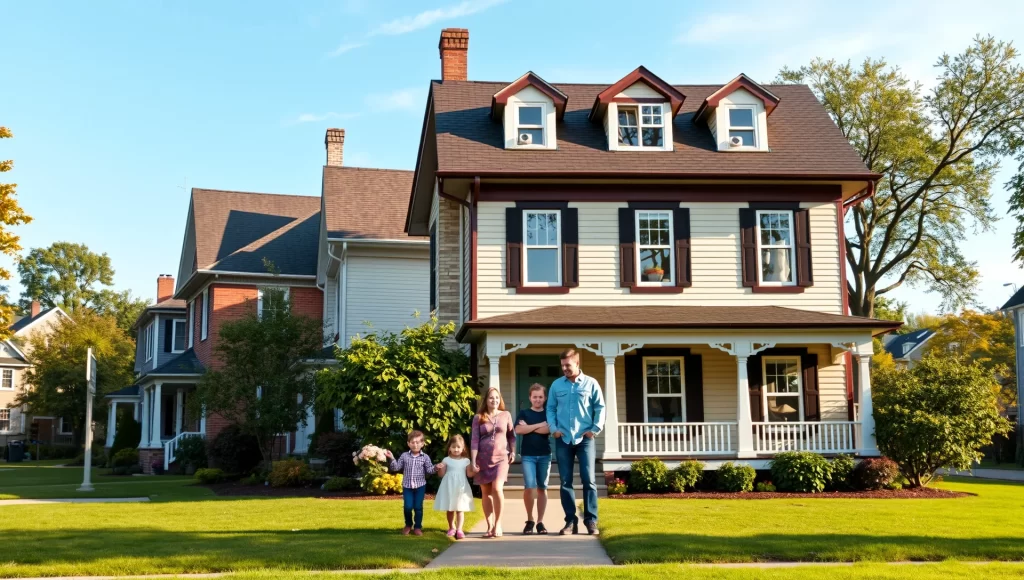
Heritage homes Nova Scotia offer the extraordinary opportunity to own a piece of living history while enjoying the character, craftsmanship, and architectural details that modern construction simply cannot replicate. From Victorian homes in Halifax’s historic districts to colonial properties in UNESCO-designated Lunenburg, historic homes Nova Scotia provide unique lifestyle experiences combined with strong investment potential and community heritage preservation benefits.
Whether you’re seeking restoration real estate Nova Scotia as a personal residence, investment property, or heritage preservation project, understanding heritage property regulations, restoration requirements, and the unique benefits of architectural heritage ownership will help you make informed decisions about historic property restoration that enhance both your lifestyle and long-term property value.
Nova Scotia’s Architectural Heritage: A Living History
Heritage properties throughout Nova Scotia represent over 250 years of architectural evolution, from early colonial properties built by European settlers to elaborate Victorian homes constructed during the province’s golden age of shipbuilding and trade. This rich architectural heritage creates opportunities for buyers to own properties with authentic period details, superior craftsmanship, and historical significance that increases over time.
Nova Scotia’s commitment to historic preservation through heritage designation programs, restoration grants, and supportive regulations has created a thriving market for heritage homes Nova Scotia that balances preservation requirements with practical modern living needs.
Why Historic Homes Nova Scotia Offer Unique Value
Authentic Character: Heritage home renovation reveals original architectural details, materials, and craftsmanship that cannot be replicated in modern construction.
Investment Appreciation: Well-maintained heritage properties often appreciate faster than comparable modern homes due to their scarcity and character appeal.
Community Legacy: Heritage property ownership contributes to community character preservation and cultural continuity.
Financial Incentives: Heritage grants and tax incentives help offset restoration costs while supporting preservation goals.
Lifestyle Benefits: Living in heritage homes Nova Scotia provides daily connection to history, superior construction quality, and unique architectural experiences.
Types of Heritage Properties: Architectural Styles and Periods
Colonial Properties: Early Maritime Architecture (1750-1850)
Colonial properties represent Nova Scotia’s earliest European architectural heritage, featuring practical designs adapted to Maritime climate and available materials.
Architectural Characteristics
Construction Methods:
– Heavy timber frame construction with post-and-beam design
– Hand-hewn beams and traditional joinery techniques
– Stone foundations with thick walls for insulation
– Steep-pitched roofs for snow shedding
Design Features:
– Symmetrical facades with central doorways
– Multi-pane windows with wooden muntins
– Wide-plank pine flooring throughout
– Large central chimneys with multiple fireplaces
– Low ceilings and compact room layouts
Common Locations:
– Lunenburg’s UNESCO Old Town featuring the highest concentration of colonial architecture
– Halifax’s historic North End and downtown peninsula
– Annapolis Royal with French colonial influences
– Chester and area with New England colonial variations
Price Range: $300,000-$800,000 depending on location, size, and restoration status
Victorian Homes: Maritime Prosperity Era (1840-1910)
Victorian homes showcase Nova Scotia’s 19th-century prosperity, featuring elaborate architectural details and innovative design elements that demonstrate the wealth and sophistication of the shipbuilding era.
Victorian Architectural Features
Ornate Details:
– Decorative gingerbread trim and bargeboard details
– Bay windows and wraparound verandas
– Ornate brackets, spindles, and turned woodwork
– Stained glass windows and decorative panels
– High ceilings with elaborate plaster moldings
Advanced Systems:
– Multi-story layouts with formal and informal spaces
– Improved heating systems with coal furnaces
– Modern (for the era) plumbing and gas lighting
– Servants’ quarters and service areas
– Carriage houses and stable buildings
Distinctive Styles:
– Second Empire with mansard roofs and dormer windows
– Queen Anne Revival with asymmetrical facades and corner towers
– Gothic Revival with pointed arch windows and steep gables
– Italianate with low-pitched roofs and decorative brackets
Common Locations:
– Halifax’s South End featuring grand Victorian mansions
– Sydney’s heritage districts with industrial-era prosperity homes
– Yarmouth’s shipping magnate estates
– New Glasgow and Pictou with coal boom architecture
Price Range: $400,000-$1,500,000+ for premium examples
Maritime Vernacular: Traditional Nova Scotia Architecture
Maritime vernacular architecture represents practical designs developed specifically for Nova Scotia’s climate, materials, and cultural needs.
Distinctive Features
Saltbox Houses: Asymmetrical rooflines with long rear slopes protecting against winter winds
Cape Cod Cottages: Compact designs with central chimneys and weathered shingle siding
Georgian Colonial: Formal symmetry with classical proportions and details
Acadian Cottages: French colonial influences with steep roofs and fieldstone foundations
Functional Adaptations:
– Storm porches and mudrooms for weather protection
– Root cellars and food storage areas
– Attached or connected barns and outbuildings
– Orientation to capture winter sun and block prevailing winds
Price Range: $200,000-$600,000 depending on location and condition
Heritage Property Regulations: Understanding Designation Levels
Municipal Heritage Properties
Most heritage homes Nova Scotia fall under municipal heritage designation, which provides protection while allowing reasonable modifications for modern living.
Municipal Designation Benefits
Property Protection: Legal protection against demolition or inappropriate alterations preserving architectural integrity.
Tax Incentives: Property tax rebates and deferrals available in many municipalities for heritage property owners.
Technical Support: Access to heritage conservation specialists and architectural guidance for appropriate renovations.
Community Recognition: Official recognition of property’s historical and architectural significance.
Municipal Designation Requirements
Exterior Preservation: Maintaining original exterior appearance including materials, colors, and architectural details.
Alteration Approval: Municipal review and approval required for exterior changes visible from public areas.
Appropriate Materials: Use of traditional materials and techniques for repairs and renovations.
Professional Consultation: Some alterations require heritage architect or conservation specialist involvement.
Provincial Heritage Properties
Provincial heritage designation provides additional protection and support for properties of exceptional historical or architectural significance.
Provincial Benefits
Enhanced Protection: Stronger legal protection against inappropriate development or demolition.
**Heritage Grants: Access to provincial restoration funding programs and technical assistance.
Professional Support: Conservation specialists and heritage architects available for consultation.
Heritage Recognition: Provincial recognition enhancing property significance and potential value.
Federal Heritage Properties
Federal designation recognizes properties of national historical significance, typically including UNESCO World Heritage sites like Lunenburg’s Old Town.
Federal Designation Advantages
International Recognition: UNESCO or national heritage status providing global recognition and tourism appeal.
Research Support: Access to historical research and documentation for accurate restoration.
Technical Expertise: National and international conservation specialists available for consultation.
Grant Programs: Federal funding opportunities for major restoration and preservation projects.
Historic Home Buying Process: Specialized Considerations
Buy Heritage Home Nova Scotia: Due Diligence Requirements
Purchasing heritage properties requires specialized due diligence beyond typical real estate transactions to understand heritage obligations and restoration opportunities.
Heritage Assessment
Designation Research: Understanding heritage designation level, restrictions, and benefits affecting the property.
Historical Documentation: Reviewing available historical records, photographs, and architectural drawings.
Previous Modifications: Assessing past alterations and their appropriateness under heritage guidelines.
Restoration Potential: Evaluating opportunities to restore original features and architectural integrity.
Specialized Inspections
Heritage Building Assessment: Professional evaluation by conservation specialists familiar with heritage construction methods.
Structural Analysis: Assessment of heritage construction techniques and any structural modifications needed.
Systems Evaluation: Review of mechanical, electrical, and plumbing systems in heritage context.
Environmental Testing: Lead paint, asbestos, and other hazardous materials common in heritage properties.
Working with a Heritage Property Real Estate Agent
Heritage property real estate agent specialists understand the unique considerations of heritage property transactions and can guide buyers through the complex process.
Specialized Expertise Required
Heritage Market Knowledge: Understanding heritage property values, market trends, and buyer preferences.
Regulatory Familiarity: Knowledge of heritage designation requirements and approval processes.
Professional Networks: Connections with heritage architects, conservation specialists, and qualified contractors.
Financial Planning: Understanding heritage financing options, grants, and tax incentives.
At Massey Coastal Group, our heritage property real estate agent specialists have extensive experience with historic homes Nova Scotia transactions and can provide comprehensive guidance throughout the acquisition process.
Heritage Home Financing: Specialized Lending Considerations
Heritage home financing often involves unique considerations that traditional lenders may not fully understand, requiring specialized mortgage products and assessment approaches.
Financing Challenges and Solutions
Appraisal Complexity: Heritage properties require appraisers familiar with heritage construction and market values.
Renovation Financing: Construction loans for heritage restoration require lenders understanding heritage project requirements.
Insurance Considerations: Specialized insurance for heritage properties covering unique risks and replacement costs.
Professional Requirements: Some lenders require heritage architect involvement for major renovation financing.
Financing Options
Conventional Mortgages: Standard products available for move-in ready heritage properties.
Renovation Mortgages: Products combining purchase and renovation financing for heritage restoration projects.
Portfolio Lending: Specialized lenders familiar with heritage properties and their unique characteristics.
Grant Integration: Financing structures incorporating heritage grants and incentives into payment plans.
Heritage Home Renovation: Restoration Best Practices
Historic Property Restoration: Planning and Approach
Successful heritage home renovation requires balancing historical accuracy with modern functionality while complying with heritage designation requirements.
Restoration Philosophy
Preserve and Restore: Maintaining original features while restoring them to proper condition using appropriate materials and techniques.
Reversible Modifications: Making changes that can be undone in the future without damaging original features.
Compatible Additions: New work that complements heritage architecture without competing or conflicting.
Appropriate Technology: Integrating modern systems sensitively to preserve heritage character.
Planning Process
Historical Research: Investigating original design, materials, and construction techniques through documents, photographs, and physical evidence.
Professional Consultation: Working with heritage architects and conservation specialists for appropriate restoration approaches.
Permit Navigation: Understanding heritage approval processes and requirements for different types of work.
Phased Implementation: Planning restoration in phases to manage costs and maintain livability during work.
Heritage Home Maintenance: Specialized Care Requirements
Heritage home maintenance requires understanding traditional materials and construction methods to preserve properties properly while addressing modern needs.
Traditional Materials and Methods
Masonry Maintenance:
– Lime mortar pointing compatible with heritage stonework
– Traditional brick cleaning and repair techniques
– Stone conservation and weathering protection
Timber Preservation:
– Traditional wood treatment and protection methods
– Repair of heritage joinery and structural elements
– Appropriate paint removal and surface preparation
Roofing Systems:
– Slate, wood shingle, and clay tile restoration
– Traditional gutter and downspout materials
– Chimney maintenance and repair
Window and Door Restoration:
– Heritage window restoration and weather-sealing
– Traditional hardware restoration and replacement
– Storm window integration for energy efficiency
Modern System Integration
Heating and Cooling: Integrating efficient systems while preserving heritage architectural features
Electrical Systems: Modern electrical service meeting code requirements with minimal visual impact
Plumbing Updates: Contemporary plumbing systems installed sensitively in heritage structures
Technology Integration: Internet, security, and smart home technology installed appropriately
Restoration Costs: Budgeting and Financial Planning
Restoration costs for heritage homes Nova Scotia vary significantly based on property condition, scope of work, and restoration standards required.
Typical Cost Categories
Basic Restoration (Maintaining Existing Character):
– $50-$100 per square foot for general restoration
– Focus on preservation and basic system updates
– Maintaining existing layouts and architectural features
– Timeline: 6-18 months depending on scope
Comprehensive Restoration (Returning to Original Condition):
– $100-$200+ per square foot for detailed restoration
– Restoration of original features and removal of inappropriate modifications
– Period-appropriate materials and traditional techniques
– Timeline: 12-36 months for complete restoration
Specialized Work:
– Heritage window restoration: $800-$2,000 per window
– Slate roof restoration: $15-$25 per square foot
– Original plaster restoration: $8-$15 per square foot
– Heritage paint analysis and restoration: $5-$12 per square foot
Cost Management Strategies
Phased Restoration: Completing work in phases to spread costs over time and maintain cash flow
Grant Utilization: Maximizing heritage grants and tax incentives to offset restoration expenses
Professional Planning: Detailed planning reducing change orders and unexpected costs
Quality Investment: Using appropriate materials and techniques reducing long-term maintenance costs
Heritage Grants and Financial Incentives
Provincial Heritage Grants
Nova Scotia offers various heritage grants supporting heritage property restoration and preservation projects.
Heritage Property Conservation Assistance Program
Grant Details:
– Up to 50% of eligible restoration costs
– Maximum grants of $25,000-$50,000 depending on project scope
– Focus on structural stabilization and heritage feature restoration
– Professional heritage consultant involvement required
Eligible Projects:
– Structural repairs preserving heritage integrity
– Restoration of original architectural features
– Roof, window, and masonry restoration
– Removal of inappropriate modifications
Municipal Heritage Incentives
Property Tax Relief:
– Tax rebates for heritage property owners in participating municipalities
– Reduced assessments for properties under heritage designation
– Tax deferrals for ongoing restoration projects
Development Incentives:
– Relaxed zoning requirements for heritage properties
– Expedited permit processing for appropriate heritage work
– Density bonuses for heritage preservation projects
Federal Grant Programs
National Trust Grants: Available for properties of national significance
Infrastructure Programs: Funding for heritage infrastructure and accessibility improvements
Cultural Property Programs: Tax benefits for heritage property donations and preservation
Private Foundation Support
Heritage Canada Foundation: Grants for heritage preservation projects
Local Heritage Organizations: Community-based funding and volunteer support
Professional Associations: Technical grants and educational resources
Regional Heritage Homes Nova Scotia Markets
Lunenburg UNESCO Heritage District
Lunenburg represents the premier heritage homes Nova Scotia market with UNESCO World Heritage designation providing international recognition and protection.
Market Characteristics
Heritage Premium: UNESCO designation commands 20-40% premium over comparable non-heritage properties
International Appeal: Global recognition attracting international buyers and heritage tourism
Strict Preservation: Comprehensive heritage guidelines ensuring authentic preservation
Investment Stability: Heritage protection providing long-term value preservation
Property Types:
– 18th-century colonial homes with original details
– 19th-century merchant houses with period features
– Converted commercial buildings with heritage character
– Waterfront heritage properties with harbor views
Price Range: $400,000-$1,200,000+ for prime heritage properties
Halifax Historic Districts
Halifax’s heritage districts offer diverse historic homes Nova Scotia opportunities from grand Victorian mansions to modest heritage cottages.
South End Heritage
Architectural Styles: Victorian mansions, Georgian townhouses, and Gothic Revival cottages
Property Values: $500,000-$2,000,000+ for premium heritage estates
Heritage Features: Original architectural details, mature gardens, and historic neighborhood character
Modern Amenities: Many properties updated with contemporary systems while preserving heritage features
Downtown Heritage
Property Types: Converted heritage commercial buildings, historic townhouses, and heritage condominiums
Urban Convenience: Walking distance to business, cultural, and entertainment amenities
Adaptive Reuse: Creative conversions of heritage buildings for modern residential use
Price Range: $300,000-$800,000 for heritage condos and townhouses
Regional Heritage Markets
Annapolis Royal
Canada’s oldest settlement offering colonial properties with French and English colonial influences.
Heritage Significance: National historic site designation and authentic colonial architecture
Affordability: Lower entry costs than Halifax or Lunenburg markets
Tourism Potential: Strong vacation rental demand due to historical significance
Price Range: $200,000-$500,000
Pictou and New Glasgow
Industrial heritage properties reflecting coal and steel boom prosperity.
Victorian Architecture: Industrial-era mansions and worker housing with heritage character
Value Opportunities: Affordable heritage properties with restoration potential
Community Support: Active heritage preservation organizations and grant programs
Price Range: $150,000-$400,000
Living in Heritage Homes Nova Scotia: Benefits and Considerations
Lifestyle Benefits
Unique Character and Craftsmanship
Architectural Details: Original moldings, hardware, and millwork creating distinctive interiors
Superior Construction: Solid timber framing and quality materials providing durability and character
Period Authenticity: Living in genuine historical environments with authentic materials and design
Community Recognition: Heritage property ownership contributing to neighborhood character and pride
Investment and Appreciation
Scarcity Value: Limited supply of authentic heritage properties supporting long-term value growth
Heritage Premium: Well-maintained heritage properties often commanding higher values than modern homes
Tax Benefits: Property tax incentives and heritage grants reducing ownership costs
Rental Potential: Heritage character appealing to vacation rental guests seeking authentic experiences
Living Considerations
Maintenance and Upkeep
Specialized Care: Heritage properties requiring knowledgeable contractors and appropriate materials
Higher Costs: Restoration and maintenance potentially more expensive than modern home upkeep
Regular Attention: Heritage features requiring ongoing care and preventive maintenance
Professional Support: Access to heritage specialists and traditional craftspeople essential
Modern Functionality
System Integration: Balancing modern convenience with heritage character preservation
Space Planning: Working with historical room layouts and circulation patterns
Energy Efficiency: Improving performance while maintaining heritage architectural features
Technology Integration: Adding modern systems appropriately within heritage structures
Frequently Asked Questions About Heritage Homes Nova Scotia
What are the main benefits of owning a heritage property in Nova Scotia?
Heritage homes Nova Scotia offer unique character, superior craftsmanship, and architectural details impossible to replicate in modern construction. Benefits include potential appreciation premiums, heritage grants and tax incentives, community recognition, and the satisfaction of preserving important architectural history for future generations.
How do heritage designation restrictions affect property modifications?
Heritage property regulations typically focus on exterior appearance visible from public areas, allowing interior modifications for modern living needs. Most restrictions involve materials, colors, and architectural details rather than preventing reasonable updates. Professional guidance helps navigate requirements while achieving desired improvements.
Are heritage properties more expensive to maintain than modern homes?
Heritage home maintenance can be more expensive due to specialized materials and techniques required, but quality original construction often proves more durable than modern alternatives. Heritage grants and tax incentives help offset costs, while preventive maintenance and appropriate restoration can reduce long-term expenses.
What financing options are available for heritage property purchases and renovations?
Heritage home financing includes conventional mortgages for ready-to-occupy properties, renovation loans for restoration projects, and specialized lenders familiar with heritage properties. Heritage grants can be integrated into financing plans, while some lenders offer products specifically designed for heritage restoration projects.
How do I find qualified contractors for heritage restoration work?
Work with a heritage property real estate agent who can recommend qualified heritage contractors, consult heritage architects and conservation specialists, contact provincial heritage organizations for referrals, and verify contractor experience with similar heritage projects. Proper qualifications are essential for appropriate restoration work.
What should I budget for heritage home restoration?
Restoration costs vary from $50-$200+ per square foot depending on scope and standards. Basic preservation and system updates cost less than comprehensive restoration to original condition. Factor in heritage grants (up to 50% of eligible costs), tax incentives, and potential rental income when calculating restoration budgets.
Do heritage properties appreciate faster than modern homes?
Well-maintained historic homes Nova Scotia often appreciate faster than comparable modern properties due to scarcity, character appeal, and heritage protection. However, appreciation depends on location, condition, and market conditions. Heritage premiums typically range from 10-40% over comparable non-heritage properties.
Preserving Nova Scotia’s Architectural Legacy
Heritage homes Nova Scotia offer the extraordinary opportunity to own architectural treasures while contributing to the preservation of the province’s rich cultural heritage. Whether you’re drawn to colonial properties in UNESCO-designated Lunenburg, Victorian homes in Halifax’s historic districts, or unique heritage properties throughout Nova Scotia’s diverse communities, heritage property ownership provides both lifestyle fulfillment and long-term investment value.
Ready to Explore Nova Scotia’s Heritage Properties?
At Massey Coastal Group, our heritage property real estate agent specialists understand that purchasing historic homes Nova Scotia involves much more than typical real estate transactions. We provide comprehensive guidance through heritage property evaluation, regulatory navigation, restoration planning, and financing coordination to ensure successful heritage property ownership.
Contact us today for a personalized heritage property consultation where we’ll:
- Assess your heritage property goals and restoration preferences
- Identify suitable heritage properties throughout Nova Scotia
- Provide detailed guidance on heritage regulations and requirements
- Connect you with heritage financing specialists and grant programs
- Coordinate with heritage architects and conservation professionals
Whether you’re interested in Lunenburg’s UNESCO heritage district, Halifax’s prestigious heritage neighborhoods, or unique heritage properties in coastal communities throughout the province, we’ll help you find and restore the heritage property that connects you with Nova Scotia’s remarkable architectural legacy.
Your heritage home journey in Nova Scotia begins with understanding, appreciating, and preserving the architectural treasures that make this province unique. Let’s work together to find your place in Nova Scotia’s living history.
Interested in heritage properties with coastal settings? Explore our guides to Chester’s heritage yacht club community and Mahone Bay’s artistic heritage properties for additional heritage living opportunities.
About Massey Coastal Group: We specialize in heritage and historic properties throughout Nova Scotia, with particular expertise in heritage restoration guidance, regulatory navigation, and connecting buyers with qualified heritage specialists. Our heritage property team combines comprehensive market knowledge with deep understanding of heritage preservation and restoration processes.
Ready to begin your heritage property journey? Contact our heritage specialists today for expert guidance on finding and restoring your historic Nova Scotia home.